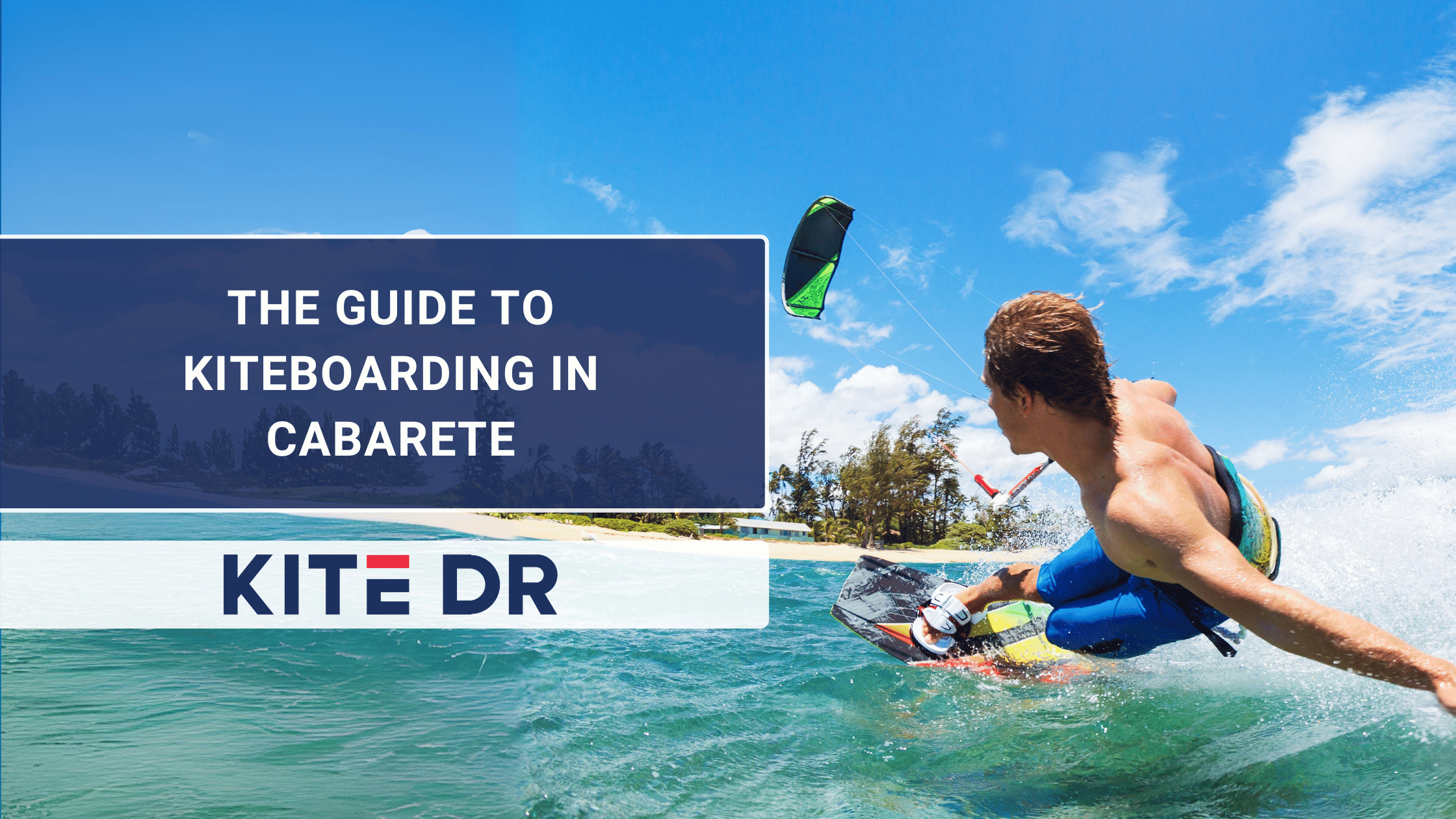
Cabarete has been a serious kite destination since the early 2000s. The north coast of the Dominican Republic gets northeast trade winds from December through August, averaging 15 to 25 knots. Kite Beach is the centre of it all: a wide, flat beach with side-shore wind, a dedicated teaching zone, and multiple IKO schools operating side by side.
If you are looking at the Dominican Republic for a kitesurfing trip, Cabarete is almost certainly where you will end up. The infrastructure, the schools, and the wind reliability here are better than anywhere else in the country. Most visiting kiters fly into Puerto Plata airport, which is 20 minutes from Kite Beach, and spend most of their time right there.
Where Can You Kitesurf in the Dominican Republic?
The Dominican Republic has a handful of kite spots. Cabarete is the main one. Here is what each is like.
Kite Beach
The primary spot. Long beach with consistent side-shore wind and a shallow area for teaching. Multiple IKO-certified schools operate here, including KiteDR, which has been on Kite Beach since 2014. The beach is organised: launching, landing, and teaching zones are separated so learners are not in the path of riders launching from the main beach. The system works because everyone follows it.
Encuentro Beach
A short drive west of Cabarete. Encuentro is a wave beach. Experienced riders come here for surf conditions and a different kind of riding. If you are still learning, stay on Kite Beach until you are riding confidently upwind. Encuentro can be punishing for riders who are not ready for it.
Bozo Beach
Between Kite Beach and Encuentro. A mix of flat water and small waves. Quieter than Kite Beach most days, and popular with freestylers who want space to work on tricks without traffic. If Kite Beach feels too busy, Bozo Beach is the next spot to try.
La Boca
Where the Yasica River meets the ocean, about 40 minutes west of Cabarete. Flat water, minimal crowds, and a completely different environment from the beach spots. KiteDR runs kite tours and downwinders here for riders who want to experience downwind runs and flat-water cruising. La Boca does not appear on most tourist maps, which is most of the appeal.
Las Terrenas and Buen Hombre
There are kite schools in other parts of the Dominican Republic, including Las Terrenas on the north-east coast and Buen Hombre on the north-west. Both spots get wind, but neither has the concentration of schools, the dedicated teaching infrastructure, or the consistent conditions of Cabarete. If you are coming specifically to learn, Cabarete is the right choice. Advanced riders looking to explore have options worth visiting for a day.
What Is the Wind Season in the Dominican Republic?
The main kitesurfing season runs December through August. Northeast trade winds average 15 to 25 knots from a side-onshore direction, the safest angle for learning. Wind typically builds through the morning and peaks in the afternoon.
December through March brings frontal wind from the north, which can be stronger and gustier than the summer months. April through August is thermal season: more consistent, slightly lighter on average, and usually the best period for beginners. September and October are the lightest months. They also sit inside the Atlantic hurricane season, which officially runs June through November, though Cabarete rarely takes a direct hit.
If your trip is specifically for kiteboarding, avoid September and October, or plan a longer stay to account for low-wind days. See the month-by-month Cabarete wind and weather guide for the full breakdown, including average kite sizes by month.
How Long Does It Take to Learn to Kitesurf?
Most students go from zero experience to riding independently in 9 hours, spread across 3 to 4 days. That is the standard IKO Level 1 curriculum: ground school, body dragging, water starts, then independent riding. The progression is faster in Cabarete than most destinations because the conditions are good most days and you are not burning session time waiting for wind.
9 hours is the minimum for most people. Some riders take 12 to 15 hours. Body size, water comfort, physical coordination, and the ability to follow instruction all factor in. The wind does not cooperate with rushing.
For a full explanation of what slows people down and how to prepare before you arrive, read the beginner’s guide to kiteboarding lessons in Cabarete.
How Much Do Kiteboarding Lessons Cost in Cabarete?
At KiteDR, private one-on-one instruction is $85 per hour. The full 9-hour IKO beginner package is $630 for a solo student, or $540 per person in a group of two. All equipment is included. You do not need to own any kit to start learning.
For a complete breakdown of all packages and what a full kite trip costs when you add accommodation and transfers, see the kiteboarding lesson pricing guide.
What Equipment Do You Need for Kitesurfing?
During lessons at KiteDR, everything is provided: kite, bar and lines, harness, board, impact vest, and helmet. You arrive with sun cream and water and nothing else. Once you have your IKO Level 1 certification, equipment hire is available on Kite Beach at around $40 to $60 per session.
If you are thinking about buying your own gear, wait until you have ridden in a few different conditions. Kite size depends on wind strength, your weight, and your skill level. Buying too early usually means buying the wrong thing.
Frequently Asked Questions About Kitesurfing in the Dominican Republic
Is the Dominican Republic a good place to learn to kitesurf?
Yes. Cabarete gets consistent trade winds for 8 to 9 months of the year, the water is warm year-round, and Kite Beach is set up specifically for instruction. Several IKO-certified schools operate side by side, which keeps standards high and gives you options if you want to switch instructors. It is one of the most established kite learning destinations in the Caribbean.
What is the best beach for kitesurfing in the Dominican Republic?
Kite Beach in Cabarete is the first choice for learning and for most visiting kiters. It has reliable side-onshore wind, a shallow teaching zone with a sandy bottom, and schools that have operated there for over 20 years. Advanced riders who want waves head to Encuentro Beach. Riders who want flat water go to La Boca or Bozo Beach. For most people, most of the trip happens at Kite Beach.
When is the best time to kitesurf in the Dominican Republic?
The main season is December through August. April through August is usually the most consistent for beginners. December through March has stronger frontal wind that suits intermediate and advanced riders. September and October are the quiet months and are best avoided if kitesurfing is the main purpose of the trip.
Do I need my own equipment to kitesurf in Cabarete?
No. Lesson packages at KiteDR include all equipment. Once you have your IKO Level 1 certification, hire kit is available on Kite Beach daily. You can do a complete week of kitesurfing without bringing any of your own gear.
How far is Cabarete from the nearest airport?
Puerto Plata airport (POP) is the closest international airport, about 20 minutes from Kite Beach. Santiago airport (STI) is roughly 90 minutes away and serves some international routes. See the Cabarete airport and transfer guide for pickup options and journey times from both airports.
Book your kiteboarding lessons at KiteDR or message directly on WhatsApp. Usually same-day response.