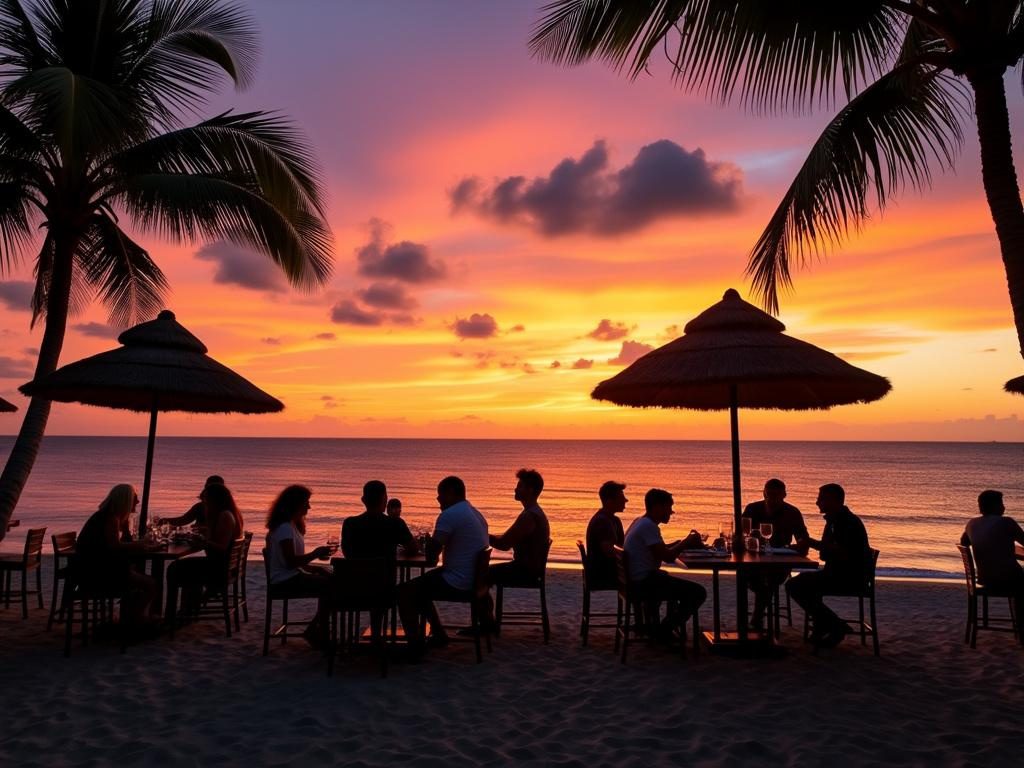
Cabarete is a small beach town on the north shore of the Dominican Republic, about 20 minutes east of Puerto Plata airport. It is best known for kiteboarding and windsurfing, but it has enough going on to fill a week or two beyond the water. Here is what you need to know to plan a trip.
How to Get to Cabarete
By air: Fly into Puerto Plata International Airport (POP). It is the closest option, around 20 minutes from Cabarete by car. Several US and Canadian cities have direct seasonal flights. Punta Cana (PUJ) is the other main gateway but is 3 to 3.5 hours away by road, which makes it a last resort if POP has no flights from your city.
Transfer from POP: A taxi from Puerto Plata airport to Cabarete costs around $20 to $30 USD one way. Guaguas (local minibuses) are cheaper at a few dollars but take longer and require a change in Sosua. Most visitors take a taxi or pre-arrange a transfer.
Transfer from Santo Domingo (SDQ): SDQ is about 3 hours west of Cabarete. Not ideal as a primary entry point, but if you are combining a stay in Santo Domingo with Cabarete, shared shuttles run between the two.
When to Go
December through August is the main kite season. Trade winds average 15 to 25 knots from the northeast, which is what draws people here. January and February are the most reliable for consistent strong wind. June through August brings the IKA Freestyle Kite World Cup to Kite Beach and is the most energetic time to be in town.
September and October are the lightest months for wind and overlap with Atlantic hurricane season. Fine for a beach holiday, not ideal for a dedicated kite trip.
Water temperature stays between 78 and 82°F year-round. No wetsuit needed at any time.
Where to Stay
Most accommodation in Cabarete is on or just off the main strip, within walking distance of Kite Beach. The range runs from around $40 per night for guesthouses to $150 and upward for boutique hotels with pools.
For a kite trip, staying within walking distance of Kite Beach makes mornings easier. You can check conditions from your window and be on the water in minutes. The main strip is compact enough that nothing is far, but the closer the better when the wind comes up unexpectedly.
Book early for December to February and for the World Cup window in summer, which fills up quickly.
What to Do
Kiteboarding
The main reason most people come. Kite Beach is one of the best learning beaches in the world: side-shore trade winds, shallow teaching zone, established IKO schools. KiteDR runs lessons for all levels from complete beginners through advanced trick training. The 9-hour IKO Level 1 beginner course typically takes 3 to 4 days.
For a full breakdown of kite spots, conditions, and what to expect on the water, see our kitesurfing guide to Cabarete, Dominican Republic.
Windsurfing
Cabarete has a windsurfing scene that predates kiteboarding. Several rental and lesson operations are based on the main beach.
Surfing
Playa Encuentro, about 10 minutes west of Cabarete, is the main surf spot. It works on a different wind and swell direction from Kite Beach, so when kite conditions are off, surf can be on. Pahuana Surf School runs lessons and camps including programmes for kids.
Kite Tours
Once you can ride independently, KiteDR runs guided kite tours to three destinations: Punta Rucia, La Boca, and Buen Hombre. Each offers different conditions from Kite Beach. Transport, equipment, and an IKO guide are included.
Day Trips
27 Waterfalls (Damajagua) is the most popular day trip from Cabarete, about 45 minutes west. A series of natural limestone cascades and slides. Physically demanding and genuinely good. Book through a local operator.
Monkey Jungle, in the hills between Cabarete and Sosua, is a wildlife sanctuary with spider monkeys, capuchins, iguanas, and peacocks. A half-day trip, popular with families.
Nightlife
Cabarete has a bar scene that runs seven nights a week, from karaoke at Voy Voy and open mic nights at La Chabola to Latin dancing at Ojo and beach parties on weekends. For a night-by-night breakdown, see our Cabarete nightlife guide.
Where to Eat
The strip has no shortage of options. For a full breakdown, see our Cabarete restaurant guide. Short version: Villa Taina for beachfront dining, Vagamundo for coffee and waffles, Bliss for Italian dinner, Voy Voy for casual beach food, Fresh Fresh for healthy eating.
Practical Information
Currency: Dominican peso (DOP). USD is widely accepted in Cabarete, particularly at tourist-facing restaurants and shops. ATMs are available in town.
Language: Spanish. English is spoken at most tourist-facing businesses on the strip. Away from the beach, Spanish helps.
Safety: Cabarete is one of the safer tourist towns in the DR. Standard precautions apply: do not leave valuables on the beach unattended, use registered taxis, and stick to the main strip at night.
Internet: WiFi is available at most accommodation and cafes. Connection quality varies. Fresh Fresh and Vagamundo are reliable spots for working during the day.
Time zone: Atlantic Standard Time (UTC-4). No daylight saving observed.
Frequently Asked Questions
How many days do I need in Cabarete?
For a kiteboarding trip, allow at least 5 days to complete the beginner course with buffer for any weather delays. Most people stay 7 to 10 days to complete lessons and get independent riding time in. If you are just visiting for the beach and activities, 4 to 5 days is comfortable.
Is Cabarete expensive?
No, relative to other Caribbean destinations. Accommodation and food are significantly cheaper than Aruba, Turks and Caicos, or Bonaire. Kiteboarding lesson rates are comparable to other IKO destinations. Budget around $60 to $100 per night for decent accommodation, $10 to $25 per day for food, plus lessons.
Is it safe to travel to Cabarete?
Cabarete has a long-established international visitor community and is considered one of the more straightforward tourist destinations in the Dominican Republic. Normal precautions apply. The beach is well organised during the day, with lifeguards and water sport operators present.
Do I need to speak Spanish?
Not on the main strip. Most restaurants, hotels, and activity operators speak English. It helps to know a few words for interactions away from the tourist area.
Planning a kite trip to Cabarete? Contact KiteDR to sort your lessons, or ask us anything about the town on WhatsApp.